5 Signs Your Business in the Cayman Islands Is NOT Ready for AI
AI doesn’t fail because the technology isn’t good enough.
It fails because businesses implement it before they’re ready.
Across the Cayman Islands, companies—from financial services firms to SMBs—are feeling increasing pressure to “start using AI.” And for many, that leads to rushed decisions, poor implementation, and expensive mistakes.
The signs below aren’t new ... but they’re often ignored, overlooked, or misunderstood.
And the longer they go unchecked, the harder—and more costly—they are to fix.
If you’re thinking “we’ll figure it out as we go,” you’re exactly where most failed AI projects begin.

1. Disorganized Data
AI depends on data. If your data isn’t structured, nothing built on top of it will work properly.
This is one of the most common challenges we see with businesses in the Cayman Islands adopting AI services.
Files spread across email, shared drives, and multiple platforms.
No clear ownership or control.
Inconsistent naming, storage, and access.

Why it’s dangerous: AI will still produce answers—but they may be incomplete, incorrect, or misleading, especially in environments with poor data management.
How to protect yourself:
Centralize your data wherever possible.
Clean up permissions and ownership.
Create structure before introducing AI tools.
2. Undefined or Inconsistent Processes
AI performs best in environments where processes are clear and repeatable.
If your workflows vary from person to person, AI has nothing stable to work with.
Different team members doing the same task differently.
No documented workflows.
Decisions being made inconsistently.
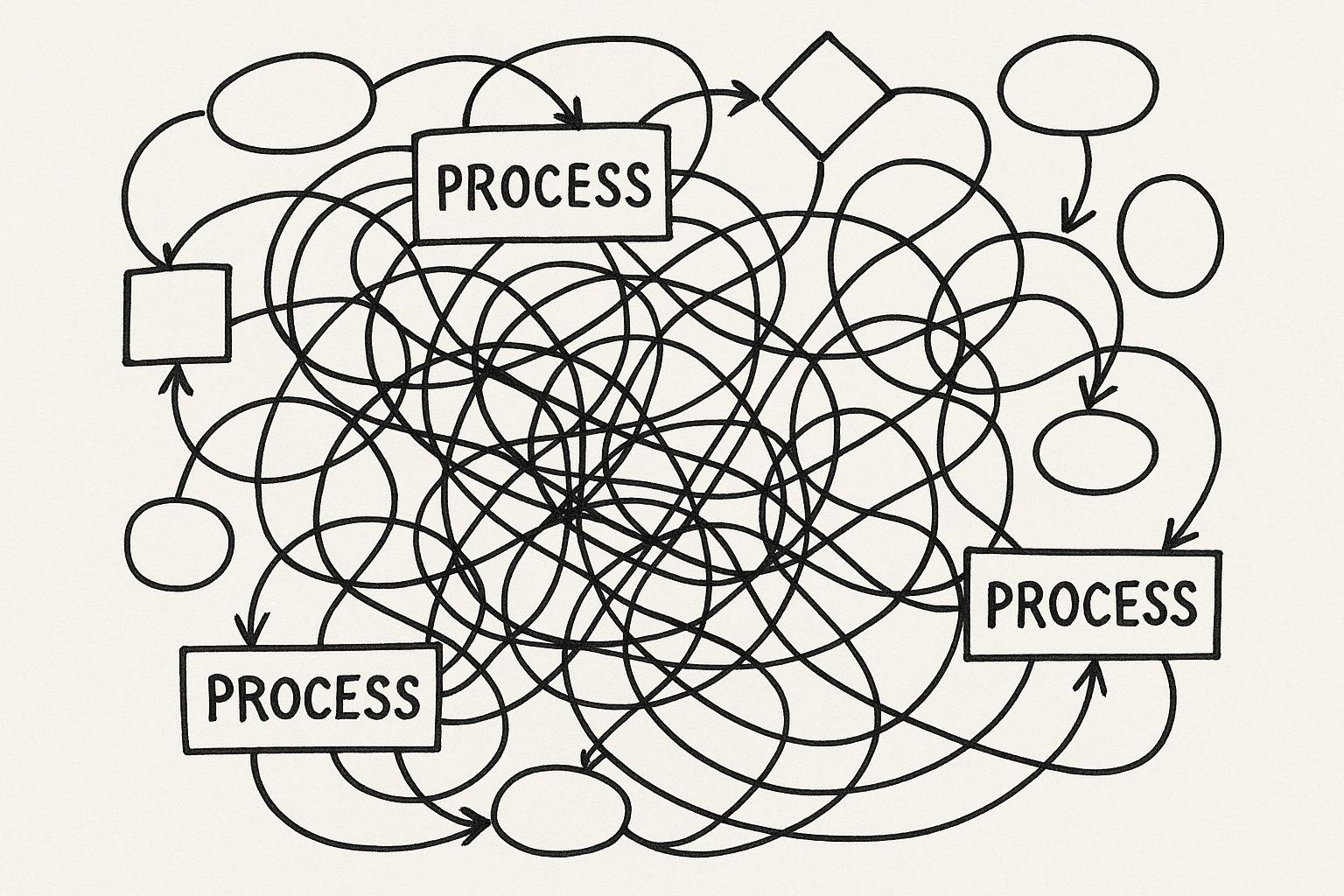
Why it’s dangerous: You end up automating inconsistency—which creates confusion instead of efficiency.
How to protect yourself:
Standardize key processes before introducing AI.
Document how work should be done.
Focus on repeatability and clarity.
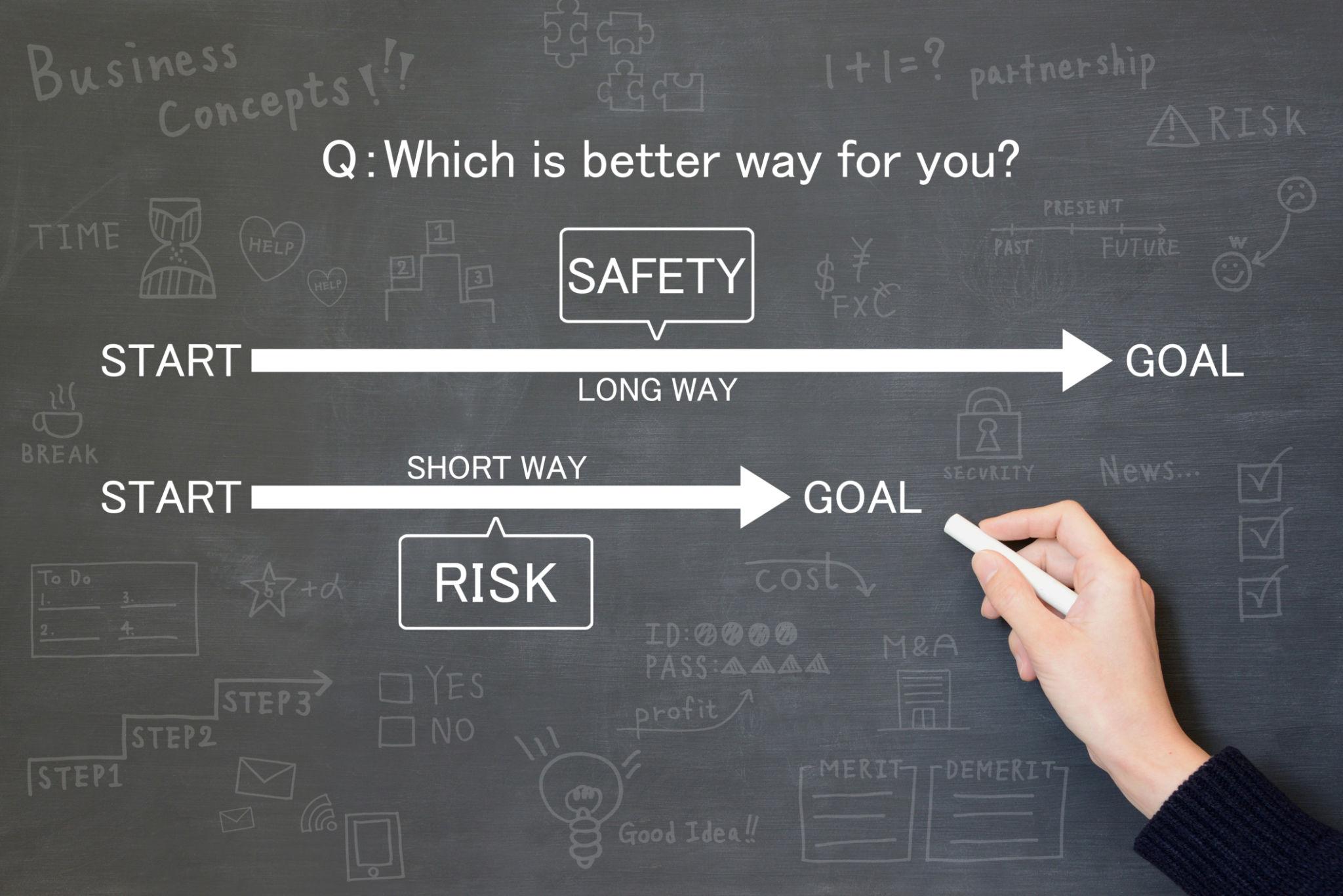
3. Looking for a Shortcut
AI is often seen as a quick fix.
A way to skip steps, reduce effort, or solve deeper operational issues instantly.
That’s not how it works—and it’s a common misconception among businesses exploring AI consulting in the Cayman Islands.
Expecting AI to “fix everything.”
Trying to bypass proper systems and structure.
Jumping into tools without clear objectives.
Why it’s dangerous: AI amplifies what’s already there. If the foundation is weak, the results will be too.

How to protect yourself:
Treat AI as an enhancement—not a replacement.
Focus on fixing underlying problems first.
Be clear about what you’re trying to improve.
4. No Clear Ownership
AI introduces new layers of responsibility.
If no one owns the systems, the data, or the outcomes, things quickly become unclear—especially in growing Cayman businesses.
No accountability for data quality.
No defined decision-maker for AI-related changes.
No oversight of how tools are being used.
Why it’s dangerous: Without ownership, errors go unnoticed and risks increase over time.
How to protect yourself:
Assign clear responsibility for data and systems.
Define who owns AI-related decisions.
Ensure accountability is in place before implementation.
5. Expecting AI to Make Decisions
This is one of the biggest misconceptions.
AI should assist decision-making—not replace it.
This is particularly important for industries in the Cayman Islands such as financial services, legal, and compliance-heavy environments.
Relying on AI outputs without validation.
Expecting automation to replace human judgment.
Removing oversight from important processes.

Why it’s dangerous: AI can produce confident answers that are wrong—and without human review, those mistakes can scale quickly.
How to protect yourself:
Keep humans involved in key decisions.
Use AI to support—not replace—judgment.
Define clear boundaries for where AI is allowed to operate.
Why AI Readiness Matters More Than Adoption in the Cayman Islands
Most businesses focus on getting started with AI.
Very few focus on whether they should.
The businesses in the Cayman Islands that rush into AI often spend more time fixing problems than creating value.
The ones that prepare properly move slower—but get significantly better outcomes.
What to Do About It
If you recognize any of these signs, the answer isn’t to push forward anyway.
It’s to step back and get clarity first.
Understand where your business stands today.
Identify gaps in data, processes, and structure.
Evaluate whether AI is appropriate before committing to any solution.
Sometimes, the smartest move is to wait—and that’s a strategic decision, not a missed opportunity.

Bottom line:
AI readiness isn’t about how advanced your technology is.
It’s about how prepared your business is.
The risks aren’t always obvious at the start—but they become very real once AI is embedded into your operations.
For businesses in the Cayman Islands, taking a structured, disciplined approach to AI adoption is what separates successful implementations from expensive mistakes.
If you’re already structured, disciplined, and clear—you’re in a strong position.
If you’re not, pushing forward too early will cost you more in the long run.
If you’re confident your business is ready for AI, you’re ahead of most organizations in the Cayman Islands.
If you’re not sure, that uncertainty is exactly what should be addressed before moving forward with any AI investment.
👉 Schedule Your AI Evaluation in the Cayman Islands